.png)
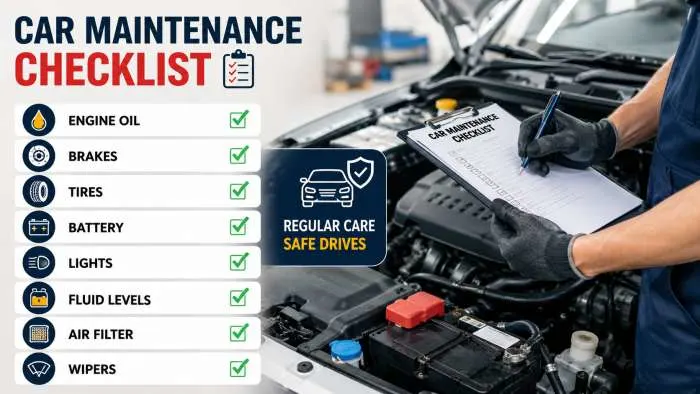
Keeping your vehicle safe and reliable does not require a mechanic's degree or hours in a garage. By following a regular car maintenance schedule, you catch small warning signs before they turn into expensive breakdowns on the highway. This basic car maintenance checklist gives you total control over your vehicle's health with just a few minutes of effort each month. From checking your engine oil levels today to swapping out a worn timing belt down the road, this guide shows you exactly what to look for and when to act.
Why a Car Maintenance Checklist is Your Best Friend?
Think of your car like a regular appliance—it breaks down fast without proper attention. Waiting for a dashboard warning light to pop up is a recipe for a massive mechanic bill.
Instead of waiting for a breakdown, you can stay ahead of the game by using a solid car maintenance checklist. Tracking your vehicle's needs lets you replace cheap parts before they snap and ruin expensive components. This simple habit keeps your car running smoothly, protects your wallet, and helps you get top dollar when you eventually sell it.
You may also read :- Car Maintenance Tips To Avoid Breakdowns
Monthly Checks to Keep Your Car Running Smoothly
A great car maintenance checklist starts with simple monthly tasks. These quick checks take less than 15 minutes. They can prevent the most common roadside emergencies. You can do these tasks at home with no special tools. They form the foundation of a solid car maintenance schedule.
First, check your engine oil. Use the dipstick to see the level and color. The oil should look clear and golden. If it looks dark and gritty, it is time for an oil change . Next, look at your coolant level. This fluid keeps the engine from overheating. Never check the coolant when the engine is hot, as it can burn you. You also want to check the brake fluid and power steering fluid. Top them off if they are low. Remember to use the correct fluid type for your car.
Tire and Light Inspection for Safety
Tires are the only part of your car that touches the road. Good tire pressure is vital for safety and fuel economy. Check your tire pressure with a gauge at least once a month. Inflate them to the number listed on the driver's side door jamb. You should also look at the tread depth. There is a simple "penny test" for tread depth. Insert a penny upside down into the tread. If you can see the top of Lincoln's head, it is time for new tires . Also, look for any cracks or bulges on the sidewall.
Your lights are your first line of communication with other drivers. Have someone help you check all your lights. Test the headlights, taillights, brake lights, and turn signals. Replace any burnt-out bulbs immediately. Monthly checks for these items are core tasks on any standard car maintenance checklist .
The Car Maintenance Checklist by Mileage
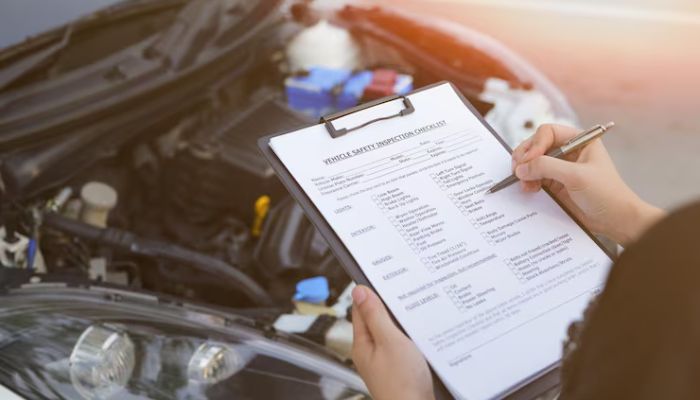
Cars need different services depending on how many miles they have. A car maintenance checklist by mileage helps you prepare for these bigger services. It helps you budget for more significant repairs that happen every few years.
The 30,000-Mile Service: Essential Mid-Life Maintenance
Reaching 30,000 miles is a key milestone in a car maintenance schedule. At this point, your car needs more than just an oil change. This service focuses on preventing future problems. It is a mix of fluid changes and major inspections. Most manufacturers recommend a thorough inspection at this mileage. This includes replacing the air filter and cleaning the fuel system. During a full car service checklist, technicians will perform these key tasks .
What to Expect at 30,000 Miles
This service includes a lot of checks. It starts with the usual oil and filter change. But the depth of the inspection is much greater. You can expect your mechanic to check all the major systems.
They will rotate your tires and balance them to ensure even wear. This extends the life of your tires. The technician will inspect the brake pads and rotors. They check for wear and measure the thickness of the brake pads. They will also test your battery. A weak battery can leave you stranded. The service also includes a thorough check of all fluids. They will check the transmission fluid, brake fluid, and coolant. They will top them off or suggest replacement . These are all important steps in a professional car maintenance checklist.
The 60,000-Mile Service: A Major Tune-Up
Hitting 60,000 miles is a major milestone for your wheels. It goes way deeper than your basic 30,000-mile check because several key parts finally reach the end of their lifespans. Spending a little cash on fresh parts now saves you from getting hit with massive repair bills later. If you are following a smart car maintenance checklist by mileage, don't ignore this critical checkpoint.
Key Replacements and Inspections
Swap those old spark plugs right away, or you'll burn through gas and deal with a shaking engine. You also want to dump the dirty transmission fluid to keep your gears from grinding. Clean out the radiator coolant too, before it gets nasty and rusts your metal parts.
Take a quick look at your serpentine belt for any tiny rips, and make sure your brake pads aren't completely worn down. A solid full car service checklist always targets these spots to stop a breakdown before it starts.
The 90,000-Mile Service: The Big One
At 90,000 miles, your car reaches a major milestone. This service is the most comprehensive. It is designed to keep your car running for another 90,000 miles. This service is also the most expensive. But it is much cheaper than replacing a broken engine. A reliable car maintenance schedule helps you prepare for this cost.
Timing Belt and Water Pump Replacement
The most critical part of the 90,000-mile service is the timing belt. If your car has a timing belt, it must be replaced around this mileage. A timing belt keeps the engine's parts in sync. If it breaks, it can destroy the engine. The repair cost for a broken timing belt can run into the thousands. Replacing it early is an excellent investment. It is also smart to replace the water pump at the same time. The water pump circulates coolant. They wear out at about the same time. Replacing both at once saves you money on labor. This is the most vital task on a car maintenance checklist for older cars .
What Else to Check at 90,000 Miles?
The 90,000-mile service also includes a deep inspection of the suspension. This includes the shocks, struts, and ball joints. Worn parts can make the car ride rough and handle poorly. The mechanic will also check the steering components for any wear. They will inspect the fuel system and clean the fuel injectors. This helps keep the engine running efficiently. They will check the exhaust system for leaks. This is also a good time for a professional transmission service. By following a car maintenance checklist, you can make sure nothing is missed .
The Full Car Service Checklist: Minor vs. Major
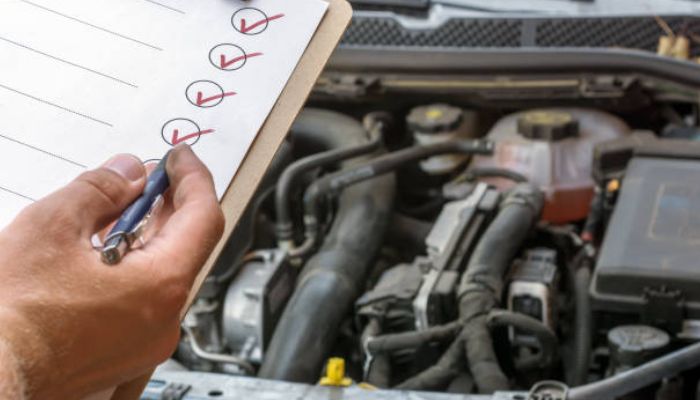
Many people ask, "What is a full car service?" There are different levels of service. Understanding the difference helps you know what you are paying for. It also helps you decide what your car needs. A full car service checklist can be broken down into minor and major services.
Understanding the Minor Service
A minor service is the most common type of service. It is also called an "essential service." It covers the basics to keep your car running smoothly. It usually takes about 1.5 hours.
This service always includes an oil and filter change. The mechanic will check the tire pressure and tread depth. They will also check the battery health. They will make sure all the lights are working. They will top off the fluids like washer fluid and coolant. They will do a visual check of the steering and suspension. They also check the exhaust system for leaks. This is the entry-level of a full car service checklist .
Understanding the Major Service
A major service is much more thorough. It includes everything from the minor service. But it adds a lot more "detective work." The mechanic spends more time looking at wear parts.
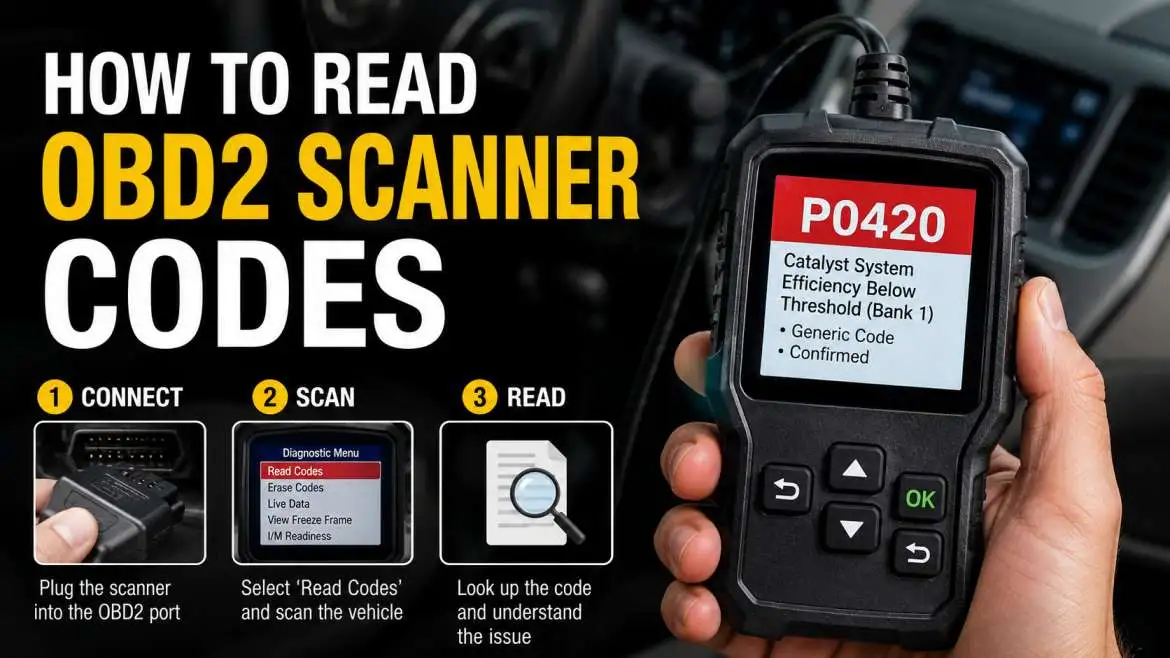
During a major service, the mechanic will check the brake pads and rotors. They measure the actual thickness to see if they need replacing. They will also replace the engine air filter and cabin air filter. They will do a diagnostic scan of the car's computer. This can find hidden fault codes. They will inspect the drive belts for cracking. They may also replace spark plugs and flush the fluids. A major service often follows the car maintenance checklist by mileage .
Why Following Your Car Maintenance Schedule Saves Money?
Sticking to a regular car maintenance schedule is an investment. It is not just an expense. Think of it as protecting your largest asset after your home. Regular maintenance costs a little money over time. Neglect costs a lot of money all at once.
Preventing Costly Breakdowns
The primary reason to follow a checklist is to prevent breakdowns. A breakdown is more than just an inconvenience. It can be dangerous if you are stranded in a bad area. Most roadside failures are preventable. They are caused by low fluids, worn tires, or old belts. Following a car maintenance checklist helps you see these problems before they happen. You can fix them at a garage, not on the side of the road .
Improving Fuel Efficiency and Resale Value
A well-maintained car runs more efficiently. Clean oil and a new air filter help the engine burn fuel better. Proper tire pressure reduces rolling resistance. These small things can save you money at the pump. When it comes time to sell your car, a full service history is a huge selling point. Buyers will pay more for a car with a stamped service book. They know it was taken care of. This is a key benefit of a detailed car maintenance checklist .
Expert Tips for Your Car Maintenance Checklist
I have been working on cars for over 15 years. I have seen every kind of car problem you can imagine. Here are some tips from the garage that can help you.
Understand Your Owner's Manual
The most important tool you have is the owner's manual. It is the ultimate authority on your car. It contains the exact car maintenance schedule for your specific model. Don't listen to a friend or a general rule of thumb. Trust the engineers who built the car. They know the exact maintenance intervals for your engine .
Use a Reliable Mechanic
Finding a good mechanic is as important as the maintenance itself. A good mechanic will notice things you don't. They will advise you on what needs to be done now. They will also tell you what can wait. Don't just choose the cheapest oil change. Build a relationship with a trusted garage. They will save you a lot of money and stress in the long run.
Frequently Asked Questions
How often should I change my car's oil?
This depends on your car and the oil type. For conventional oil, it is usually every 3,000 to 5,000 miles. For synthetic oil, it can be 5,000 to 10,000 miles. The best answer is in your owner's manual. Many newer cars have oil life monitors that tell you exactly when to change it .
What is the difference between a minor and major service?
A minor service is the basic maintenance. It includes an oil change and basic safety checks. A major service is a full inspection. It includes a lot of extra checks and replacements. These can include new spark plugs, fluid flushes, and brake pad replacements .
Is it necessary to follow the 30/60/90 mile rule?
It is a great guideline, not a strict rule. Most experts suggest using it as a "nostalgic roadmap" rather than something mandatory. The main thing is to follow your owner's manual. Every car is different. The manual has the accurate schedule for your specific model. But following the 30/60/90 rule is much better than doing no maintenance at all .
Can I perform car maintenance myself?
Yes, you can do many simple tasks yourself. Checking fluids, tire pressure, and changing wiper blades are easy. These are great ways to save money and learn about your car. However, leave the complex work to the pros. Brake repairs, transmission work, and electrical diagnostics need special tools and training .
What should a full car service checklist include?
A full car service checklist should include an oil and filter change. It must include a thorough brake inspection. It should have fluid checks and top-ups. It should include inspections of the suspension, steering, and exhaust. For major services, it should include spark plugs, filters, and timing belt checks .