.png)
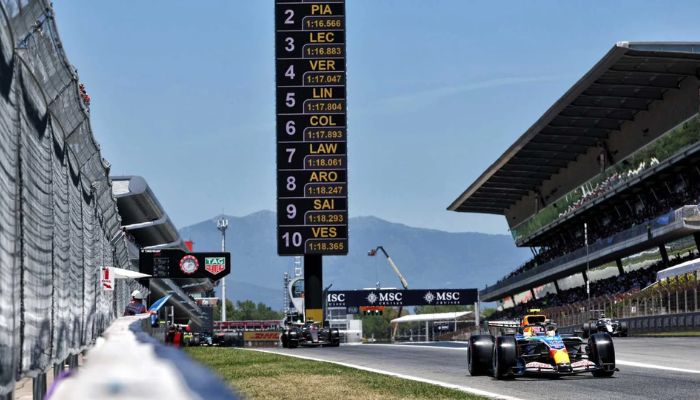
A Formula 1 race is a high-speed chess match on wheels. Twenty drivers compete in the world's most advanced cars. They race on incredible tracks across the globe. The goal is simple: be the first to cross the finish line. But winning requires more than just speed. It demands smart strategy, perfect teamwork, and a bit of luck. This guide will take you inside the world of F1. You will learn how a race weekend works. You will understand the importance of qualifying. You will discover what it takes to win. Whether you are a new fan or a seasoned viewer, this guide will make every formula 1 race more exciting to watch.
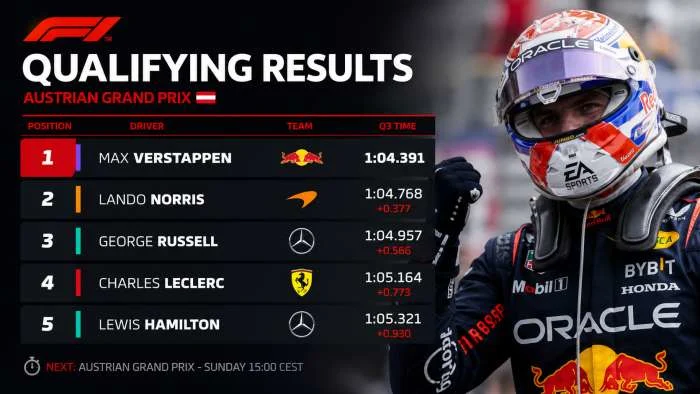
A Formula 1 race is more than a Sunday event. It is the peak of a three-day battle. The real fight often begins on Saturday with F1 qualifying results. These results set the stage. They decide who starts where on the grid. Starting at the front is a huge advantage. This is why qualifying is so intense.
What is a Formula 1 Race Weekend?
A formula 1 race is the main event of a Grand Prix weekend. But the weekend starts on Friday. It is a three-day festival of speed . Fans watch practice sessions. They see drivers test the limits. They watch teams fine-tune the cars. The excitement builds each day.
Friday has two practice sessions . These are called Free Practice 1 and 2. Drivers learn the track. They test different car setups. They try to find the perfect balance. The track changes throughout the weekend. More rubber gets laid down. The grip level improves. Teams collect huge amounts of data. This data is vital for success.
Saturday is when things get serious. There is a final practice session in the morning. Then, the main event happens: qualifying. This session determines the starting grid for Sunday's formula 1 race. It is a high-pressure, knockout competition. F1 qualifying results can make or break a driver's weekend. A poor result means starting at the back. A great result means a shot at victory.
You may also :- Lando Norris F1 2026: McLaren's Fight to Stay on Top
Why The F1 Qualifying Results Are So Important?
F1 qualifying results are the foundation of a race. They decide the starting order. The driver with the fastest lap starts in first place. This is called "pole position." Starting on pole is a massive benefit. The driver has a clear track ahead. They can control the pace from the front .
Statistics show a strong link between qualifying and race finishes . Over many seasons, data proves the connection. Drivers who qualify well usually finish well. This is because overtaking is hard in modern F1. The cars are big and fast. They create a lot of dirty air. This makes it difficult to follow another car closely.
Having good F1 qualifying results puts the driver in control. They avoid the chaos of the midfield. They can focus on their own race. They can manage their tires better. It gives the team a clear strategy to aim for. This is why every driver pushes to the limit in qualifying. The reward is huge.
How F1 Qualifying Actually Works
F1 qualifying is a thrilling shootout. It is divided into three parts: Q1, Q2, and Q3 . Each part eliminates the slowest cars. The pressure mounts with every session.
- Q1 (18 minutes): All 20 cars go out on track. They try to set a fast lap time. The five slowest drivers are eliminated. They will start the race from positions 16 to 20. Their session is over .
- Q2 (15 minutes): The remaining 15 drivers go out again. They fight for a spot in the final shootout. Once more, the five slowest drivers are out. They will start the race in positions 11 to 15.
- Q3 (12 minutes): This is the final battle. The last ten drivers fight for the top ten spots. The fastest driver in Q3 earns pole position. The second fastest starts next to them on the front row. This continues down the grid.
The times are measured to the thousandth of a second . This shows how incredibly close the competition is. A tiny mistake can cost several places. The fans love the drama of qualifying. The teams hold their breath. The drivers push the cars to the absolute edge.
Sprint Races: A New Twist
F1 has added a new format to some race weekends: the Sprint. This is a short formula 1 race on Saturday . It is about 100 kilometers long . It adds more excitement and action for the fans. In 2026, there are six Sprint weekends .
The Sprint format is different. There is only one practice session on Friday. Then, there is a qualifying session that sets the grid for the Sprint. This is called "Sprint Qualifying" or the "Sprint Shootout." The Sprint race takes place on Saturday afternoon. The result of the Sprint is not the main race. But it does award points to the top eight finishers .
The main formula 1 race on Sunday is still the grand prize. But the Sprint adds an extra layer of strategy. It gives drivers a chance to score extra points . It can also shake up the starting grid for the main race. This makes the whole weekend more unpredictable.
The Big Day: The Formula 1 Race
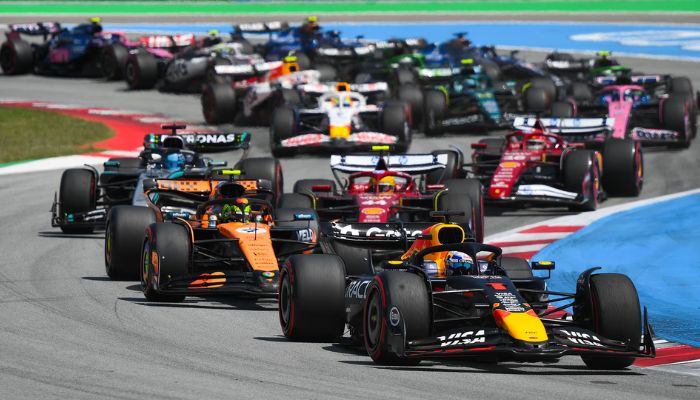
Sunday is race day. This is what everyone has been waiting for. The grid is set from Saturday's qualifying. The F1 qualifying results are locked in. Now, the drivers prepare for the main event. The pressure is at its peak.
The formula 1 race covers a distance of 305 kilometers . The number of laps changes based on the track length. Before the race starts, the cars do a warm-up lap. Then, they line up on the grid. The five red lights come on. They go out one by one. When they all go dark, the race begins. It is an explosive start.
Every driver must make at least one pit stop . They have to change tires during the race. This is a key part of the strategy. The team decides when to bring the driver in. They have to choose the right tires. A bad pit stop can ruin a race. A perfect one can win it.
Tire Strategy: The Secret to Winning a Formula 1 Race
Tires are one of the most important parts of a formula 1 race. They are the only contact between the car and the track. The teams get three different dry tire compounds each weekend . They are called soft, medium, and hard. The soft tires are the fastest but wear out quickly. The hard tires are slower but last much longer. The medium is in the middle.
Drivers must use at least two different dry tire compounds during a formula 1 race . This forces a pit stop. Teams have to think about tire wear. They have to think about track temperature. They have to think about traffic. Choosing the right tire at the right time is critical.
Sometimes, it rains during a formula 1 race. This changes everything. Teams have special wet weather tires. There are intermediates for light rain. There are full wets for heavy rain . The drivers have to be extra careful. The track is slippery and dangerous. Wet races are often the most exciting. They are unpredictable and full of drama.
The Role of Strategy and Teamwork
A formula 1 race is a team sport. The driver gets all the glory. But they have a huge team behind them. The engineers analyze data. They call the race strategy. The mechanics perform lightning-fast pit stops. They can change all four tires in under three seconds.
The team on the pit wall is called the "pit crew." They watch the race on monitors. They talk to the driver constantly. They tell them about the gaps to other cars. They warn them about traffic. They decide when to pit for new tires. This communication is key to victory.
The team also decides on race strategy. This can be a one-stop or a two-stop strategy. A one-stop strategy uses the hard tires for a long time. A two-stop strategy uses softer tires for faster laps. But it means an extra pit stop. The team chooses what they think is fastest. They also have to react to what other teams do. This strategy battle is a huge part of the sport.
How to Follow a Formula 1 Race?
Watching a formula 1 race is exciting. But the on-screen information can be confusing. There is a lot of data. Here are a few simple things to look for:
- Position: This shows where each driver is running. It updates every lap. It tells you who is leading. It shows who is gaining or losing places.
- Gap: This shows the time difference between cars. It usually shows the gap to the car ahead. A gap of 1.5 seconds means the driver is close enough to use the DRS.
- DRS: This stands for Drag Reduction System. It is a flap on the rear wing. It opens to reduce drag on straights. A driver can use it if they are within one second of the car ahead . It helps them overtake.
- Tires: The TV graphics show what tires each driver is using. They show how old the tires are. This helps you understand the strategy. You can see who is on new soft tires. You can see who is struggling on old hard tires.
The commentators are also a great resource. They are experts. They explain the action on track. They break down the complex strategies. They help you understand why things happen. They add context and excitement to every move. Following a race is easy once you know the basics..
Final Thoughts
A formula 1 race is a symphony of speed, skill, and science. It is a battle between man and machine. It is a competition between the best drivers in the world. The race on Sunday is the final act. But the real work begins on Friday. The tension builds on Saturday with qualifying. Every session, every lap, and every decision counts.
Understanding the process makes the sport more enjoyable. You start to appreciate the details. You see why F1 qualifying results are so tense. You understand why a pit stop strategy is so crucial. You can see the drama unfold in every corner. So, next time you watch a Grand Prix, look beyond the speed. Look at the strategy. Watch the pit stops. Listen to the team radio. You will see a whole new level of the sport.
The next formula 1 race is always just around the corner. The teams are always working. They are designing new parts. They are finding more speed. They are planning their next victory. The battle for the championship is a long one. It is full of twists and turns. Get ready for the greatest show on earth.
FAQs
What is a Formula 1 race weekend?
A Formula 1 race weekend is a three-day event. It usually runs from Friday to Sunday. It includes practice sessions, qualifying, and the main race. The weekend builds up to the Grand Prix on Sunday.
Why are F1 qualifying results so important?
F1 qualifying results set the starting grid. A good starting position is a big advantage. It is easier to win from the front. The data shows a strong link between qualifying well and finishing well.
How does a driver win a Formula 1 race?
A driver wins a Formula 1 race by being the first to complete the race distance. But it is a team effort. A good car, perfect strategy, and a fast pit stop are all needed. The driver also has to manage their tires and fuel.
What is a pit stop in F1?
A pit stop is when a car comes into the pits. The mechanics change the tires. They can also make small repairs. Every driver must make at least one pit stop during a dry race. It is a critical part of the race strategy.