.png)
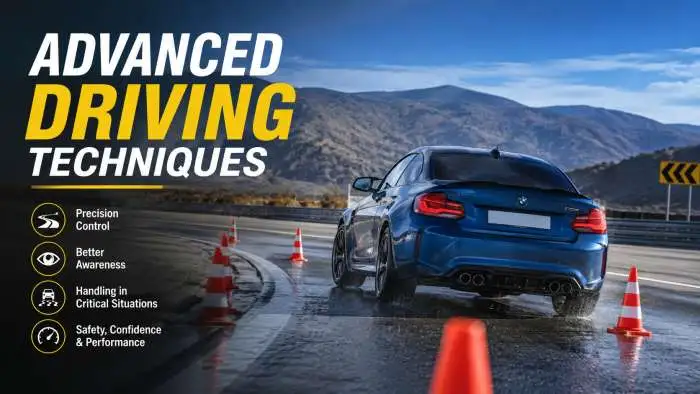
The best drivers know how to stay safe when things go wrong. Advanced driving techniques help you avoid crashes. They teach you how to handle car skids safely. They also show you how to improve vehicle handling in emergencies. This guide covers the basics every driver needs. You will learn to control your car in bad conditions.
What Are Advanced Driving Techniques?
Advanced driving is not about speed. It is about control. It is about seeing risks before they happen. It is about knowing what to do in a split second. New drivers can use these skills. Experienced drivers can also get better.
Useful Driving Tips for New Drivers

New drivers often panic. Panic makes things worse. These tips help you stay calm.
Look Far Ahead
Do not just look at the car in front of you. Look down the road. Look at cars two or three blocks ahead. This gives you more time to react. You will see brake lights early. You will see people turning.
Keep Your Hands at 9 and 3
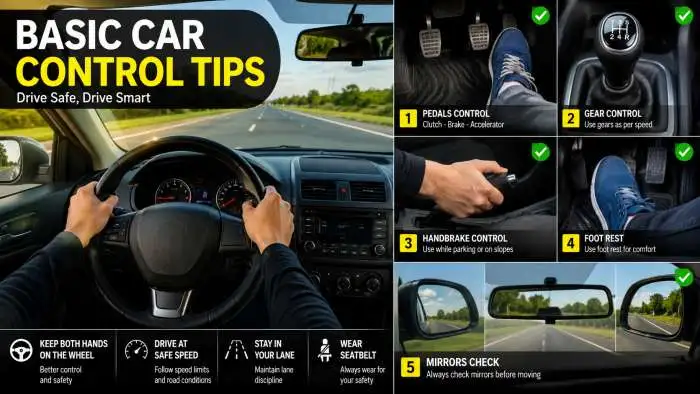
Place your hands on the steering wheel. Left hand at 9 o'clock. Right hand at 3 o'clock. This gives you the most control. You can turn the wheel fast without crossing your arms.
Brake Early
Press the brakes gently. Do not slam them. Slamming makes the car unstable. It can cause a skid. Braking early gives the driver behind you time to stop too.
Check Your Mirrors Every Few Seconds
Know what is around you. Look at your rearview mirror. Look at your side mirrors. You need to know if a car is next to you. You need to know if a car is too close behind you.
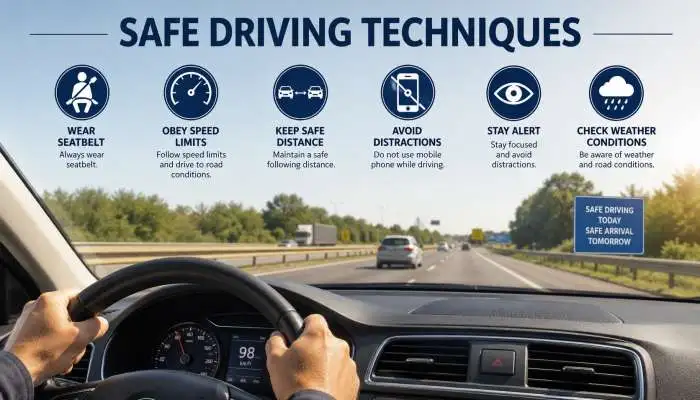
You may also read :- Safe Driving Techniques to Keep You Secure on the Road
How to Handle Car Skids Safely?
Skids happen. Rain, ice, or gravel can cause them. You can not always avoid them. You can learn how to handle car skids safely. The biggest mistake is slamming the brakes. Do not do that.
What to Do in a Front-Wheel Skid
Your car goes straight. The steering wheel feels loose. The front tires have no grip.
- Take your foot off the gas. Do not brake.
- Look where you want to go. Look at the road ahead.
- Turn the wheel in the direction you want to go. This brings the tires back into line.
What to Do in a Rear-Wheel Skid
Your car turns sideways. The back end swings out. This is an oversteer skid.
- Take your foot off the gas.
- Steer into the skid. This means turn the wheel in the same direction the back of the car is going.
- If the back swings right, turn the wheel to the right. This straightens the car.
- Do not brake. Braking makes the spin worse.
What to Do in a Four-Wheel Skid
All four tires lose grip. The car slides like a sled.
- Put the car in neutral. This stops the wheels from turning.
- Look at where you want to go.
- Steer gently to that spot.
- Wait for the tires to grip the road again.
How to Improve Vehicle Handling in Emergencies?
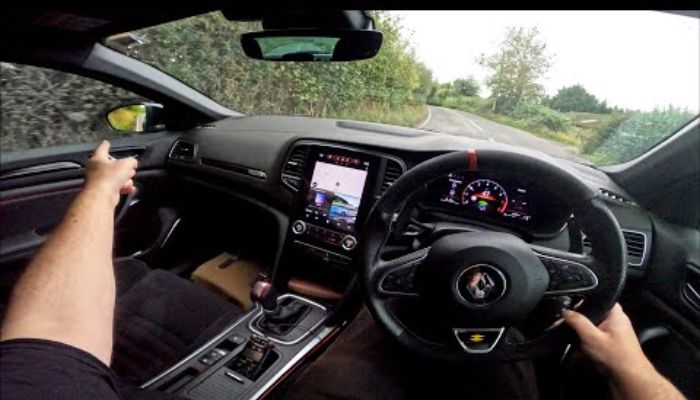
Handling is how your car responds. Good handling keeps you safe. You can practice these skills in an empty parking lot.
Emergency Braking
Sometimes you have to stop fast. Press the brake pedal hard. Press it all the way down. Most cars have anti-lock brakes (ABS). You will feel a pulse in the pedal. That is normal. Do not pump the brakes. Keep your foot down. The car will stop.
Swerving to Avoid an Object
Sometimes you can not stop. You have to go around an object. It might be a deer. It might be a box in the road.
- Look where you want to go. Do not look at the object.
- Turn the wheel quickly. Turn it just enough to miss the object.
- Turn the wheel back straight.
- This is called a "quick steer." It is one of the best advanced driving techniques to learn. It keeps you from hitting the object and from rolling the car.
Braking and Turning
This is a hard one. New drivers think they can brake and turn at the same time. You can not. The tires have limited grip.
- Do your braking in a straight line.
- Let go of the brake before you turn.
- Turn the wheel.
- This keeps the tires on the road. It stops the car from sliding sideways.
What to Do After an Emergency?
You got out of a bad situation. Do not just keep driving. Your heart is beating fast. Your hands are shaking. That is normal.
- Pull over to a safe spot.
- Take a few deep breaths. Calm down.
- Check your tires. Make sure they are not damaged.
- Check your mirrors. Make sure they are in place.
- Drive slowly until you feel normal again.
Check Your Tires
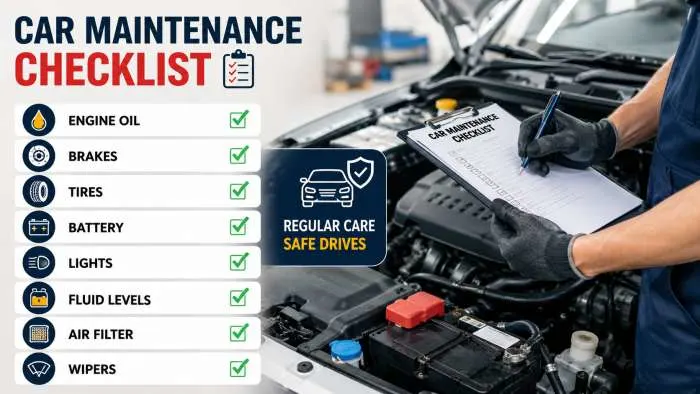
Tires are the most important part of your car. They are what touch the road. Bad tires make skids more likely.
- Check the tire pressure once a month. The number is on a sticker in your driver's door.
- Check the tread. Stick a penny in the tread. If you see all of Lincoln's head, you need new tires.
- Rotate your tires. This makes them wear evenly.
Final Tips
These advanced driving techniques make you safer. They are simple to learn. They are hard to master.
- Slow down in rain or snow.
- Keep a safe distance from the car in front of you.
- Stay off your phone.
- Pay attention to the road.
Driving is a skill. You get better with practice. Start with these tips. Practice in a safe place. You will become a better and safer driver.
Frequently Asked Questions
1. What is the first thing to do in a skid?
Take your foot off the gas. Do not hit the brakes. Look at where you want the car to go. Steer that way.
2. How do new drivers get better at emergency handling?
Go to an empty parking lot. Practice braking hard. Practice turning around a cone. Do this on a dry day first. Then try it in the rain.
3. What causes most skids?
Going too fast for the road conditions is the main cause. Rain, ice, oil, and gravel make the road slippery. Worn tires also cause skids.
4. How often should I check my tire pressure?
Check it once a month. Do it when the tires are cold. The right pressure number is on a sticker inside your driver's door.
5. Can I brake and turn at the same time?
You should not. Tires have limited grip. Braking uses most of that grip. Turning uses the rest. Do your braking in a straight line. Turn after you let off the brake.