.png)
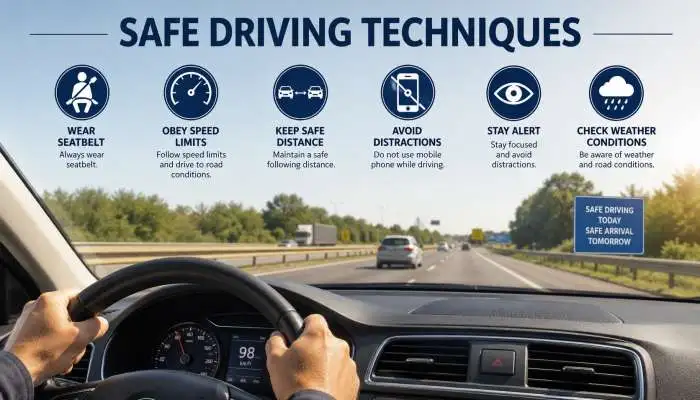
Acquiring a driving license is exciting. It feels like freedom. But it is also somewhat frightening. The road is a big place. The good news? All professional drivers were initially amateurs. It is always safe to learn a couple of practices at the beginning. The most essential Driving tips for new drivers that have to be remembered by new drivers are divided into simple steps that can be followed by this guide.
Building a Strong Foundation: Before You Start the Car
The driving begins even before the engine is started. These pre-drive safety testings are non-compromising practices.
Adjust Your Space for Success
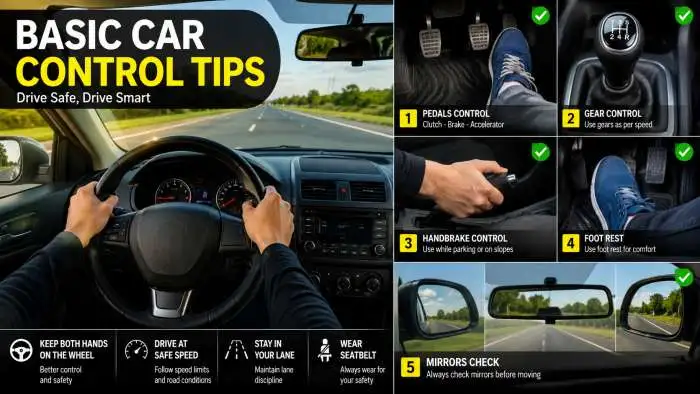
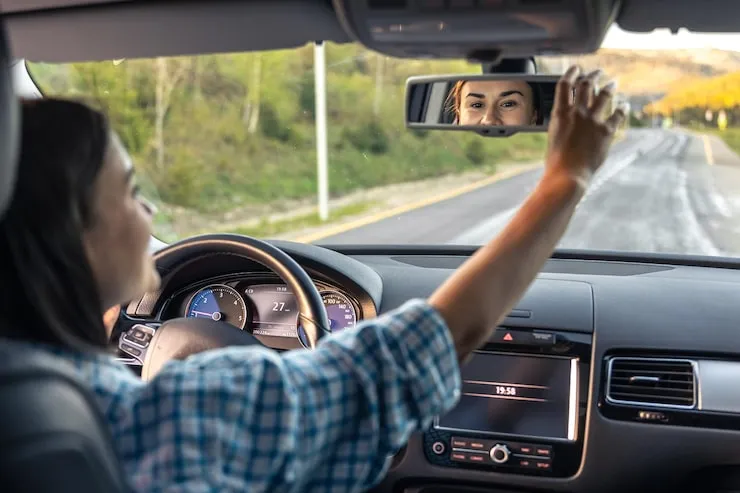
Your command center is your seat and mirrors. Your elbows should bend slightly touching the wheel with your hands. The steering wheel should have a good view of the road. Position your side mirrors in order to reduce the blind spots. One such gimmick is to lean your head over to the left side till it almost touches the window. Turn the rear mirror so that you only see the side of your car. Do the same on the right side. This eliminates large spaces considerably.
The Crucial "Buckle Up" Rule
This is the most basic and most significant safe driving practice. Put on your seatbelt with each and every trip, even with short distances. Make sure the passengers do the same. It is the first to give defense across.
Know Your Vehicle's Basic Features
Find the turn signals, headlights, windshield wipers, and the hazards lights prior to their use. It is distracting to solve the puzzles of which wipers to use in a downpour. Train on them in a parking lot that is quiet.
You may also read :- Safe Driving Habits To Reduce Accidents
Mastering Basic Car Control and Awareness
Now, we should discuss the vehicle control and awareness of what is going on around you. This is what defensive driving is all about.
Smooth is Fast: Steering and Pedals
The car is also unstable with jerky movements. Train steering inputs and light peddling states on the gas and brake pedals. Suppose that there is a cup of water on the dashboard. Your goal is to not spill it. This results in the more comfortable ride of all people and more control of the car.
The 3-Second Rule for Following Distance
One of the causes of crashes is tailgating. The 3-second rule will work best to keep the following distance safe. See a sign, such as a sign, pass by a fixed point by the moving car. then number one-one-thousand, two-one-thousand, three-one -thousand. When you exceed the figure you have counted you are too near. During a bad weather, make it 4 or 5 seconds.
Scanning the Road Like a Pro
The eyes must never be left in the same spot. Do not simply look at the car as it is in front of you. Peep over the edge of the road, look over your mirror after every 5-8 seconds and look at the sides of your area. The 360-degree awareness can enable you to identify the problems at an early stage such as a ball rolling into the street where a child may run behind it.
Navigating Common and Challenging Situations
The road is always changing. New driver safety depends on learning how to maneuver in various driving conditions.
Conquering City Driving and Intersections
The traffic in the city is greater in terms of cars and pedestrians and signals. Always make sure that you check intersections twice before coming into it, regardless of whether you have a green in-between. Turn to left, right and to the left. Look out of people who may get out. Also be particularly careful when turning to the right on a red light; this is where the fender-benders are likely to occur.
Highway Driving Tips For New Drivers
Highways are such that they are easily overwhelming with speed. The secret is in the merge. Gather up on the on-ramp to the extent of catching up with the traffic on the highway. Blink first, make a glance and flow into the traffic. When on the highway, it is advisable to remain on the right lane except when passing. It is the safest road to be used by new drivers.
Handling Bad Weather Driving Conditions
Everything gets worse with rain, fog and snow. The number one rule: slow down. Add significant distance between you and the followers. Switch on your headlights when it is raining or foggy- it makes people see you. Do not use abrupt stops and turns. When you begin to skid, remain calm and look where you want the car to turn and make the steer towards that direction gently.
Developing the Mindset of a Safe Driver
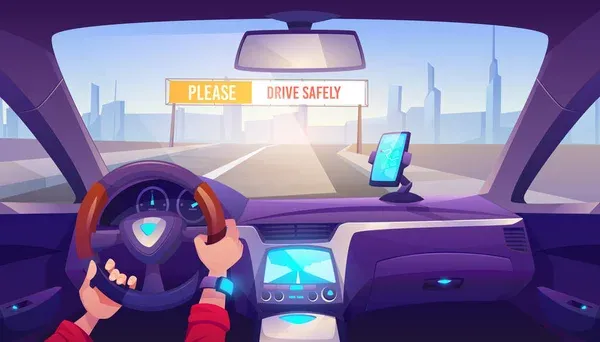
It is not only what you do with your skills behind the wheel that matters. Develop these psychological habits.
Minimize Distractions Immediately
Driving under the influence is seriously distracted driving. Enable your phone to put it into the Do Not Disturb setting and keep it away. Pre set your GPS and playlist and then drive. In case you have to make some alterations, pull over. The consumption of food and loud talking are also capable of distracting you on the road.
Never Drive Drowsy or Emotional
When one is very tired it is like driving under the influence. Your reaction time slows. In case you are sleepy, move on the shoulder to have a rest or drive switch. The same applies to strong emotions such as anger or depression. When upset, it is difficult to concentrate on safety.
Practice Makes Permanent
Behind the wheel experience can never be replaced. Training in various conditions: daytime, night, with a supervising driver, light rain and on empty parking lots to learn how to park. These skills are automatic the more you drive.
Vehicle Maintenance: Your Responsibility
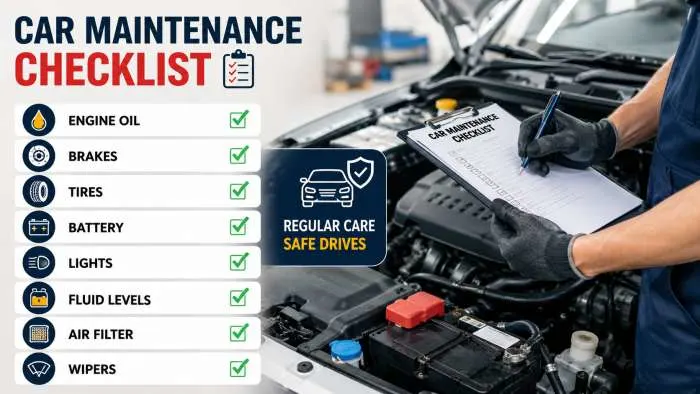
A wise motorist takes care of his or her car. Problems are avoided by simple vehicle maintenance checks.
Regular Tire Checks are Vital
One of the major safety hazards is bad tires. Check your tire pressure (calculate the right number in the door of the driver) once a month. Look at the tread for wear. One can use a penny test: put a penny with the head of Lincoln in the down position into the tread. When you can see all of his head, then you have tires that are too worn.
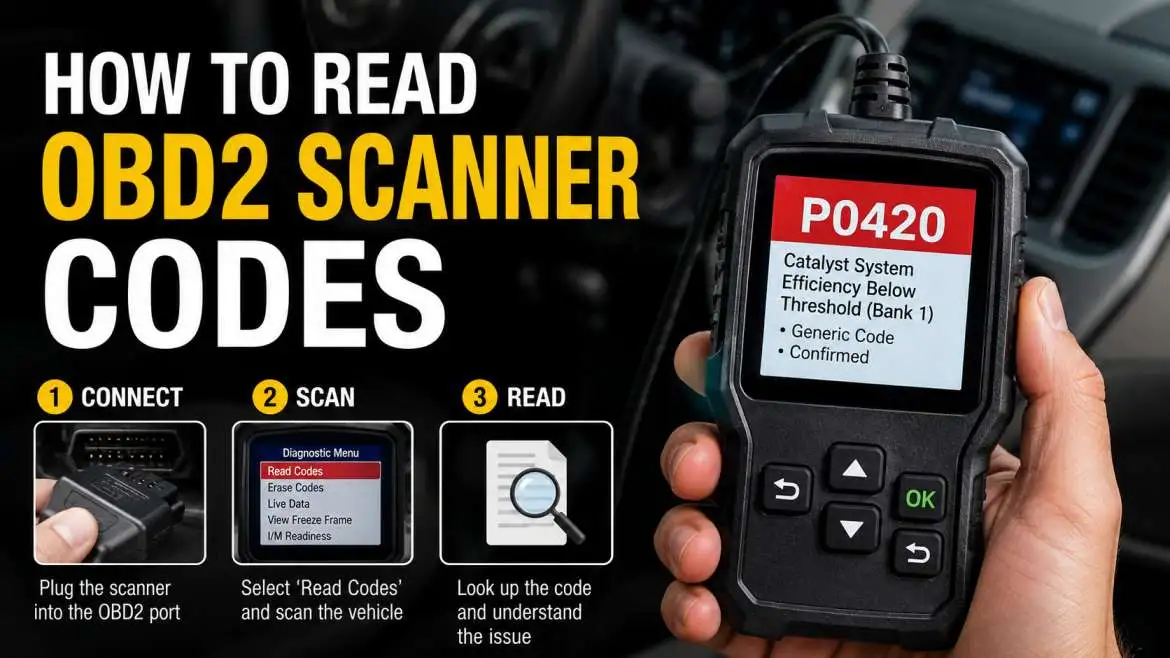
Understanding Dashboard Warning Lights
Do not disregard a bright light in your dashboard. The check engine light, oil pressure light and brake warning light indicate that you have to have your car checked soon. The manual of your car will inform you on the meaning of each light. Being aware of these fundamentals of car care will ensure you are not stuck.
Expert Insight
Sarah Mill operator, Certified Driving Teachers for 15 a long time, offers: "The best drivers are proactive, not receptive. They see the huge picture of the street 20 seconds ahead. My to begin with lesson is continuously approximately eye checking propensities. If you know where to see, your hands and feet will take after securely. Keep in mind, speed is a benefit earned through steady, secure practice."
Starting as a modern driver is a travel. Be persistent with yourself. Center on building one secure propensity at a time. Each trip is a chance to learn. By taking after these basic driving rules, you are not fair passing a test—you are building the establishment for a lifetime of secure and agreeable driving. Welcome to the road
FAQs: Driving Tips for New Drivers
Q: What is the single most critical tip for a unused driver?
A: Center 100% on driving. Maintain a strategic distance from all diversions, particularly your phone. Your essential work is to work the vehicle safely.
Q: How can I gotten to be more sure consolidating onto the highway?
A: Hone with an experienced driver amid lighter activity times. Center on utilizing the slope to coordinate the highway's speed, flag clearly, and check your dazzle spot confidently.
Q: Is it affirm to drive with fair my learner's allow without a administering driver?
A: No. This is unlawful and voids your protections. Continuously have a authorized grown-up in the traveler situate as required by your allow rules.
Q: What ought to I keep in my car for emergencies?
A: A fundamental unit incorporates a phone charger, first-aid pack, electric lamp, bottled water, jumper cables, and a cover. Knowing you are arranged diminishes stretch.