.png)
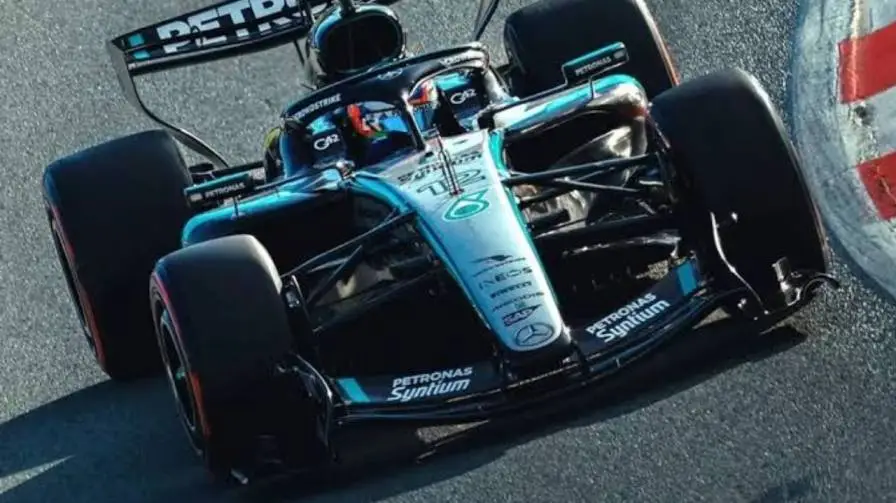
Active aerodynamics is the system that lets an F1 car’s front and rear wings change shape while the car is moving. On a straight, the wings flatten to cut drag and raise top speed. In a corner, they snap back to full height to create grip. It replaced DRS in 2026, but it was not built to help overtaking. It was built to keep the new engines alive.
That last point is the one most people miss. If you only remember one thing from this article, remember that active aero is an energy-saving tool first and a speed tool second. Once you see it that way, every other rule around it starts to make sense.
What “Active” Actually Means on a Modern F1 Car?
A wing is just a shaped surface that pushes air. The more angle it has, the more it pushes the car into the track. That push is downforce, and it is what lets a driver take a corner without sliding off. But that same angle also grabs the air and holds the car back on a straight. Engineers call that drag.
For decades, F1 teams had to pick a compromise. Run a steep wing for the corners and lose speed on the straight. Run a flat wing for the straight and slide through the corners. Active aero ends that compromise by letting the wing angle change during the lap .
The mechanism works like a set of blinds. When the blades are closed, they catch air and make downforce. When they open, air passes through and the car cuts forward more easily . On the 2026 cars, both the front wing and the rear wing have moving parts. That is new. The old DRS system only moved a single flap on the rear wing.
Read Also: Lando Norris F1 2026: McLaren's Fight to Stay on Top
Straight Mode and Corner Mode: The Two States of the Car
Every active aero system on the 2026 grid runs in one of two states.
Straight Mode is the low-drag setting. The front and rear wing flaps open and flatten out. The car produces less downforce, but it also produces far less drag. That means higher top speed and, more importantly, less energy burned to get there .
Corner Mode is the default. The wings sit in their normal, high-downforce position. The car pushes into the track, the tires bite, and the driver can carry speed through a bend without the rear stepping out .
The switch between the two is not fully automatic. The driver triggers Straight Mode manually with a control on the steering wheel, the same way drivers used to hit the DRS button. But the system flips back to Corner Mode on its own the moment the driver touches the brake or lifts off the throttle . That automatic return matters. It means the driver cannot forget to close the wings before a corner. The car protects itself.
Why F1 Needed This System (And Why DRS Was Not Enough)
DRS was an overtaking aid. It opened the rear wing of a chasing car that was within one second of the car ahead, and only in set zones. The purpose was to give the chasing car a speed advantage so it could pull alongside and pass .
Active aero does not care who is ahead of you. Any driver can open the wings in a designated zone, no matter where they are in the running order . That alone tells you the goal is different.
The real reason F1 switched comes down to the 2026 power units. Those engines lean much harder on electrical energy than the old ones. If the car drags too much air on the straights, it drains the battery faster than the system can recover it. The car would run out of electrical power and start losing speed in a way that looks broken to anyone watching .
Active aero fixes that by cutting drag exactly where the car spends the most energy pushing through the air. The wings flatten, the car slips through, and the battery survives the lap. McLaren driver Oscar Piastri put it plainly: the feeling is similar to DRS, “but the purpose of it is very different” .
How the Driver Uses It on a Real Lap?
Picture a driver coming out of the final corner onto a long main straight. The car is still in Corner Mode, wings up, full grip. The driver presses the activation control. The front and rear flaps open. The car squats slightly as downforce drops, then accelerates harder because the air is no longer fighting it.
The driver watches the braking board. When it is time to slow for the next corner, they touch the brake. The wings close instantly. Downforce returns. The car is stable again before the steering wheel even turns .
The FIA decides where drivers are allowed to open the wings. These are called activation zones. Each zone has to last longer than three seconds. Anything shorter and the driver is just flipping switches for no real gain, which adds workload without helping the car . The FIA also checks tire grip and braking speeds before approving a zone. If opening the wings would make the car arrive at a corner too fast to be safe, the zone gets shortened or removed entirely .
The Monaco Exception: When Active Aero Gets Locked
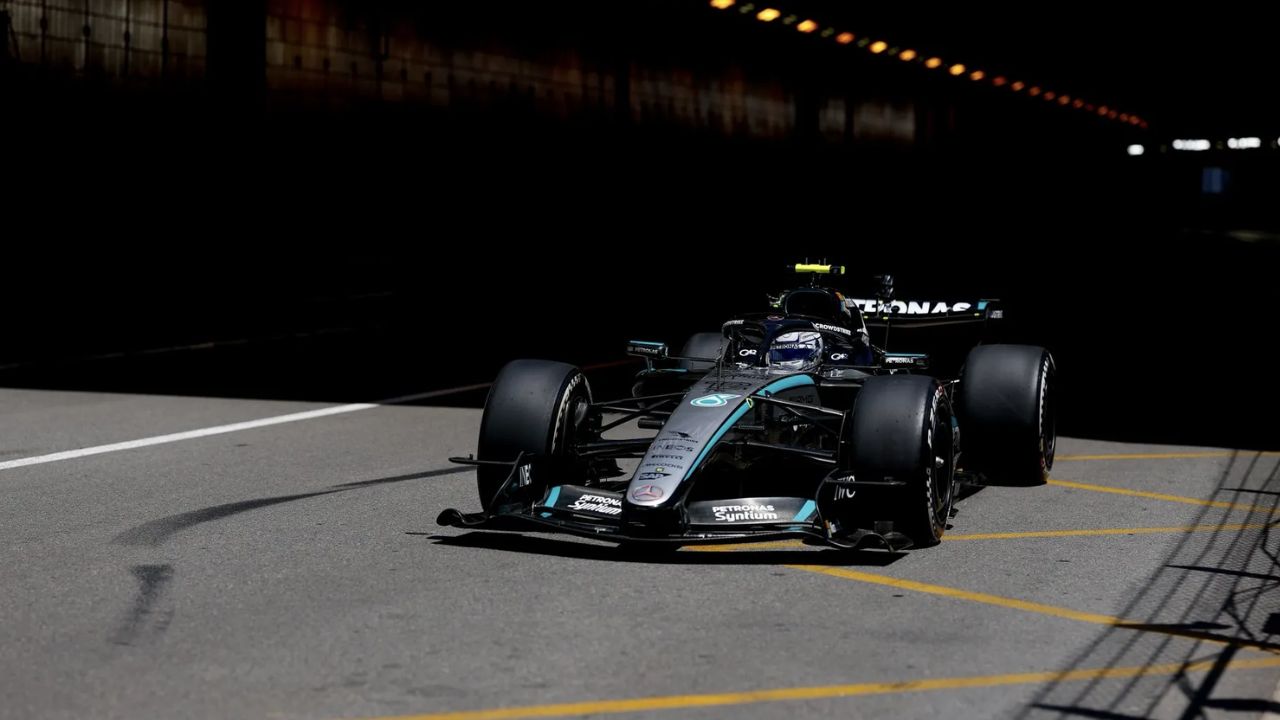
Monaco is the proof that this system is track-specific. The FIA ruled that cars must stay in Corner Mode for the entire Monaco weekend. No Straight Mode at all .
The reason is simple. Monaco has almost no long straights. It is wall-to-wall corners. Opening the wings there would give a tiny speed gain on the few short bursts between turns, but it would also make the car less stable exactly where stability matters most. With barriers inches away and no runoff, the risk is not worth the reward. Locking the cars in maximum downforce is the safer call .
That decision shows the FIA is not treating active aero as a fixed rule that applies everywhere. It is a tool, and the governing body decides where that tool is safe to use.
You May Also Like: F1 2026 Active Aero Rules Explained: Everything You Need to Know
What Happens in the Rain: Partial Active Aero?
Wet races bring a third state. In full wet conditions, the cars are not allowed to open both wings. Only the front wing flattens. The rear wing stays in its high-downforce position .
The logic here is about balance. If both wings open in the rain, the rear of the car loses grip and becomes light. On a wet track, a light rear end is the fastest way to spin. Keeping the rear wing closed holds the back of the car down and gives the driver something to lean on when the tires are struggling for grip .
There is a second reason, too. Running full downforce on a straight in the wet makes the car press hard into the track surface. That can wear the skid block under the car faster than the rules allow. F1 had disqualifications for exactly that problem in recent seasons. Partial active aero lets the car reduce some drag without grinding the floor away .
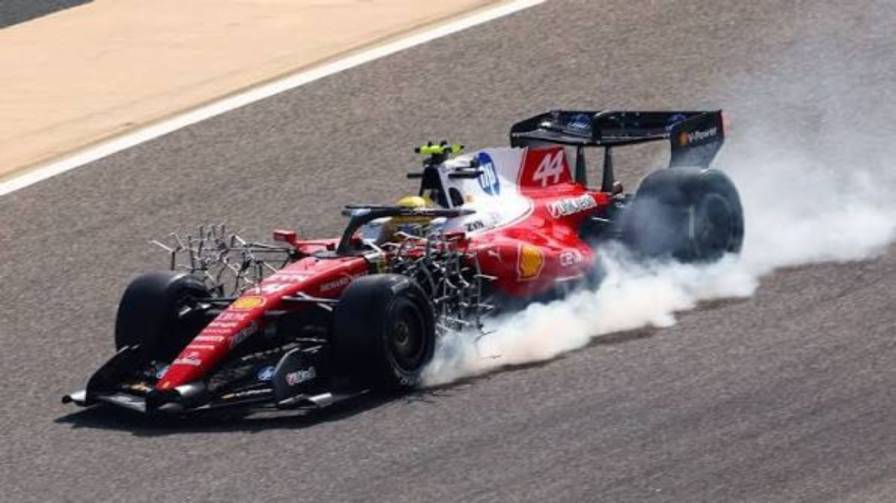
Ferrari tested this wet mode during a private shakedown in Barcelona, and the system is now part of the standard rule book for rainy weekends .
What Active Aero Is Not?
It is not a push-to-pass button. It does not give a chasing car extra power or a free slipstream. Every car in a Straight Mode zone gets the same low-drag benefit.
It is not DRS with a new name. DRS was a rear-wing-only tool tied to a one-second gap. Active aero moves both wings and is available to everyone .
It is not a permanent speed boost. The wings only open in zones the FIA has approved, and they close automatically when the driver brakes. The system is on a leash.
The Bottom Line for a New F1 Fan
When you watch a 2026 race and see the front wing shift on a straight, you are watching a car manage its energy. The wing movement is not there to make the car look futuristic. It is there because the engine underneath needs the car to slip through the air so the battery can keep delivering power to the end of the lap.
Once you know that, the races become easier to read. You can see which drivers open the wings early, which ones wait, and which cars look more stable when the flaps come back up for the corner. Active aero is a technical rule, but on track it turns into a driver skill. The best drivers will be the ones who understand when the drag cut helps them and when the downforce loss hurts them.