.png)
Heavy rain does more than make driving difficult for a few hours. The water that splashes under your car, the moisture that hangs in the air, and the dampness that creeps into the cabin can cause damage that shows up weeks or months later. Many drivers focus on the storm itself and forget about the aftermath. That is a mistake that can lead to expensive repairs.
This guide walks through the specific checks and actions you should take after heavy rain. It covers the engine, the brakes, the electrical system, the interior, and the parts of the car you rarely see. Each section explains what happens when water gets where it should not be, and what you can do about it. The goal is simple: help you catch small problems before they become big ones.
Why the Hours After Heavy Rain Matter So Much?
Water finds gaps. It seeps past rubber seals that looked fine last month. It collects in low spots under the car where road grime has blocked a drain hole. It mixes with oil and creates a milky substance that no longer protects metal parts. None of this announces itself with a warning light right away. The damage builds quietly .
The period right after a heavy rain is your best chance to interrupt that process. Moisture that sits for days creates rust. Damp carpets grow mold. Contaminated brake fluid reduces stopping power. A wet air filter can cause the engine to misfire. Checking these areas early is not about being paranoid. It is about being practical. A twenty-minute inspection can save you a trip to the mechanic and a bill you did not plan for.
Read Also: Toyota Maintenance Schedule: Complete Service Guide by Mileage (2026)
Check the Engine and Its Fluids First
The engine is the most expensive part of your car, and water is one of its worst enemies. If you drove through standing water or a deep puddle, pay close attention here.
Look at the Oil and Transmission Fluid
Pull the oil dipstick and wipe it on a clean cloth. Healthy oil looks smooth and translucent, ranging from amber to dark brown depending on how recently you changed it. If the oil looks milky, cloudy, or frothy, water has mixed with it . The same check applies to transmission fluid. Water in either fluid reduces its ability to lubricate and cool moving parts. If you see signs of contamination, do not drive the car. Have it towed to a shop and get the fluids drained and replaced. Driving with contaminated oil can destroy an engine in a short distance.
Inspect the Air Filter
The air filter sits in a housing that pulls air into the engine. In some cars, this housing is low enough that splashing water can reach it. Open the housing and look at the filter element. If it feels damp or looks soggy, replace it . A wet filter restricts airflow and can cause the engine to run poorly or misfire. It is a cheap part and an easy fix, but ignoring it can lead to bigger problems.
Do Not Restart a Stalled Engine
If your car stalled while driving through water, resist the urge to turn the key and try again. Water may have entered the intake and reached the cylinders. Trying to start the engine can force the pistons against water, which does not compress. The result is bent connecting rods or a cracked engine block. Call for a tow and let a mechanic inspect it first . This single rule can save you thousands.
Give the Brakes a Serious Look
Brakes work by creating friction, and friction generates heat. When water and mud coat the brake rotors and pads, that friction is reduced. You may notice a soft or spongy feeling when you press the pedal, or the car may take longer to stop than usual . Some drivers hear a grinding or squealing sound after driving through rain.
Take the car to an empty parking lot or a quiet road and test the brakes at low speed. If they feel weak or make noise, have them inspected. Water can also contaminate brake fluid over time, especially in humid conditions. A mechanic can check the fluid and bleed the lines if needed. Brakes are not a system to guess about. If something feels wrong, get it looked at.
Dry Out the Interior Before Mold Settles In
Water gets into the cabin in ways you might not notice at first. It comes through door seals, sunroof drains, or the vents near the windshield. You may not see a puddle. You may just notice a faint musty smell a few days later. Mold can begin to grow on damp carpets and seats within twenty-four to forty-eight hours.
If you suspect water got inside, feel the carpets and floor mats with your hand. Check the spare tire well in the trunk, which is a common place for water to collect. If you find dampness, dry the area thoroughly. Remove floor mats and let them dry in the sun. Use a wet vacuum if you have one, or press towels into the carpet to pull out moisture. Leave the windows cracked open on a sunny day to let air circulate. If the smell persists or the dampness is extensive, a professional detailing service can extract water and treat the carpets to prevent mold.
Pay Attention to the Undercarriage
The underside of your car takes the brunt of everything on the road, and rain makes it worse. Water mixes with dirt, salt, and oil residue to create a corrosive paste that clings to metal parts. Over time, this causes rust. The undercarriage also hides brake lines, fuel lines, and exhaust components that you rarely think car maintenance tips after heavy rain.
After heavy rain, especially if you drove through flooded streets, consider spraying the undercarriage with a garden hose to wash away loose dirt and debris. Do not use high pressure, which can force water into places it should not go. Just a gentle rinse helps. If you live in an area that uses road salt in winter, or if you frequently drive through flooded areas, a professional undercoating service can add a layer of protection.
You May Also Like: Top 8 Summer Car Maintenance Checklist: Expert Tips
Inspect the Tires and Check for Hidden Damage
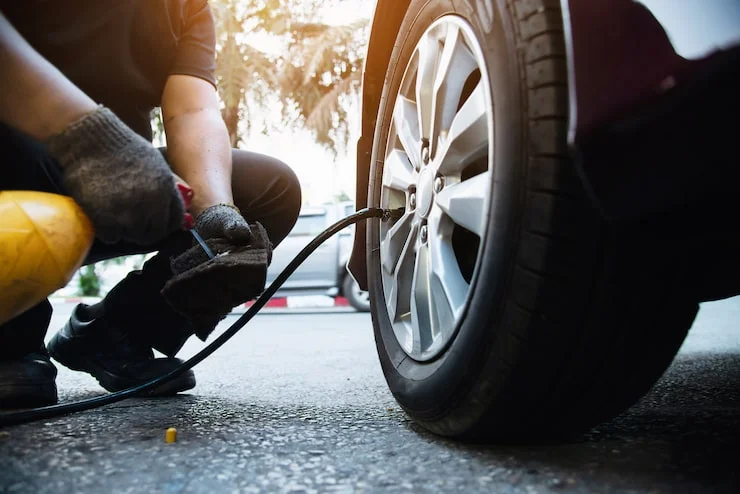
Tires push water out of the way so the rubber can stay in contact with the road. When tread is worn, the tire cannot move water fast enough. The car begins to slide, a dangerous condition called aquaplaning. After heavy rain, take a moment to look at your tires. A simple test is to insert a coin into the tread groove. If the tread does not reach the coin’s edge, the tire is worn and should be replaced.
Also look for bubbles, cuts, or objects stuck in the tread. Rain washes debris onto the road, and nails or glass can find their way into your tires. A tire with a slow leak may hold air overnight but leave you stranded the next morning. Check the pressure when the tires are cold and inflate them to the pressure listed on the sticker inside your driver’s door jamb.
Test the Lights and Electrical Connections
Water and electricity do not mix, and your car is full of both. After heavy rain, walk around the car and check every light: headlights, taillights, brake lights, turn signals, and hazard lights. Water can seep into a cracked lens or a loose connection and cause a light to fail. A dead brake light is both a safety hazard and an invitation for a ticket.
Open the hood and look at the battery terminals. If you see a white or greenish crusty powder, that is corrosion. It weakens the connection and can make the car hard to start . A mixture of baking soda and water, applied with an old toothbrush, can clean the terminals. Rinse carefully and dry them. If the corrosion returns quickly, have the battery and charging system tested.
Clear the Drain Holes
Cars have several drain holes designed to let water escape. They are in the doors, the sunroof tracks, the cowl area near the windshield, and the trunk. Leaves, dirt, and small debris wash into these channels during rain and block them. When a drain clogs, water backs up and finds another way out, often into your car’s interior or into a door panel where it causes rust .
Open the doors and look along the bottom edge. You should see small holes. If they are plugged with dirt, clear them with a piece of wire or a cotton swab. For the sunroof, open it and look for the drain holes in the corners. Pour a small amount of water into the track and watch whether it drains away. If it pools, the drain is blocked. A blast of compressed air or a length of flexible weed trimmer line can clear the passage . This is a five-minute task that prevents a much bigger headache.
When to Stop Checking and Call a Professional?
Some problems are beyond what a visual inspection can find. If you notice any of the following, stop driving and have the car looked at by a mechanic:
- The engine oil or transmission fluid looks milky or smells burnt.
- The brakes feel soft, make grinding noises, or the car pulls to one side when you brake.
- The car stalls, idles roughly, or refuses to start.
- Water is visibly pooling in the footwells or the trunk.
- You hear unusual noises from the engine or undercarriage after driving through water.
A professional can put the car on a lift and inspect parts you cannot see from the ground. They can test the brake fluid, check for water in the differential or transmission, and dry out electrical connectors before corrosion sets in.
A Simple Routine That Protects Your Car
You do not need to be a mechanic to take good care of your car after heavy rain. What you need is a routine. Spend fifteen minutes after a storm doing a walk-around. Check the fluids. Feel the carpets. Look at the tires. Test the lights. Clear the drains. These small actions take very little time, but they catch the problems that lead to expensive repairs.
The rain will come again. The next storm is not a question of if, but when. The drivers who avoid costly water damage are not the ones who panic during the storm. They are the ones who take a calm, thorough look at their car afterward, before the moisture has a chance to settle in and do its quiet work. Your car protects you on the road. A little attention after the rain is a small way to return the car maintenance tips after heavy rain.